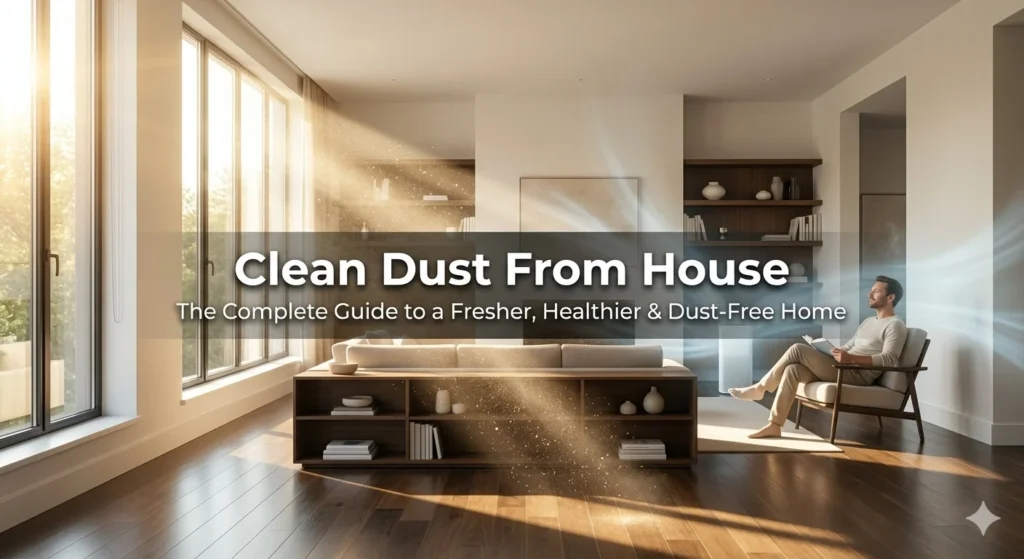
Dust seems to return the moment you finish wiping it away — settling on shelves, floating in sunbeams, and gathering in corners you didn’t even know existed. If you’re tired of the endless battle, you’re in the right place. Learning how to clean dust from your house the right way means less time wiping and longer-lasting results.
In this complete guide, you’ll discover what actually causes dust, the tools that make a real difference, a step-by-step cleaning method, how to improve your air quality, and prevention tips that keep dust from coming back so quickly.
Key Takeaways
- Dust from top to bottom using damp microfiber cloths so particles fall downward and get trapped — not redistributed.
- Vacuum floors and upholstery with a HEPA filter to capture fine particles that ordinary vacuums blow back into the air.
- Don’t skip hidden spots like air vents, ceiling fans, baseboards, and electronics, where dust quietly accumulates.
- Improve your indoor air quality by maintaining HVAC filters, running an air purifier, and balancing humidity.
- Prevention is key — regular cleaning routines, fewer fabrics, and good filtration dramatically reduce how fast dust returns.
What Causes Dust to Build Up in Your House?
Before you can effectively clean dust from your house, it helps to understand where it comes from. Household dust is a mix of many tiny particles, including:
- Dead skin cells shed by people and pets
- Fabric and clothing fibers from carpets, upholstery, and bedding
- Pollen, soil, and outdoor particles tracked or blown inside
- Pet dander and hair
- Dust mites and their waste (a common allergen)
- Soot and smoke residue from cooking, candles, or smoking
Dust accumulates fastest in homes with lots of soft furnishings, poor air filtration, low ventilation, and high foot traffic. Knowing the sources helps you target both removal and prevention — the two halves of winning the dust battle.
Tools & Supplies You’ll Need
The right tools make dusting faster and far more effective. Gather these before you start:
- Microfiber cloths — trap dust instead of just pushing it around
- A vacuum with a HEPA filter — captures the finest particles
- Extendable duster — for ceiling fans, vents, and high shelves
- Soft brush attachments — for electronics and delicate surfaces
- All-purpose and surface-specific cleaners (ammonia-free for glass)
- An air purifier with a HEPA filter — for ongoing air quality
- Protective gear — a mask and gloves if you have allergies or heavy dust
How to Clean Dust From Your House: Step-by-Step
Follow this order for the most efficient, longest-lasting results. The golden rule: always work top to bottom so dust falls onto surfaces you haven’t cleaned yet.
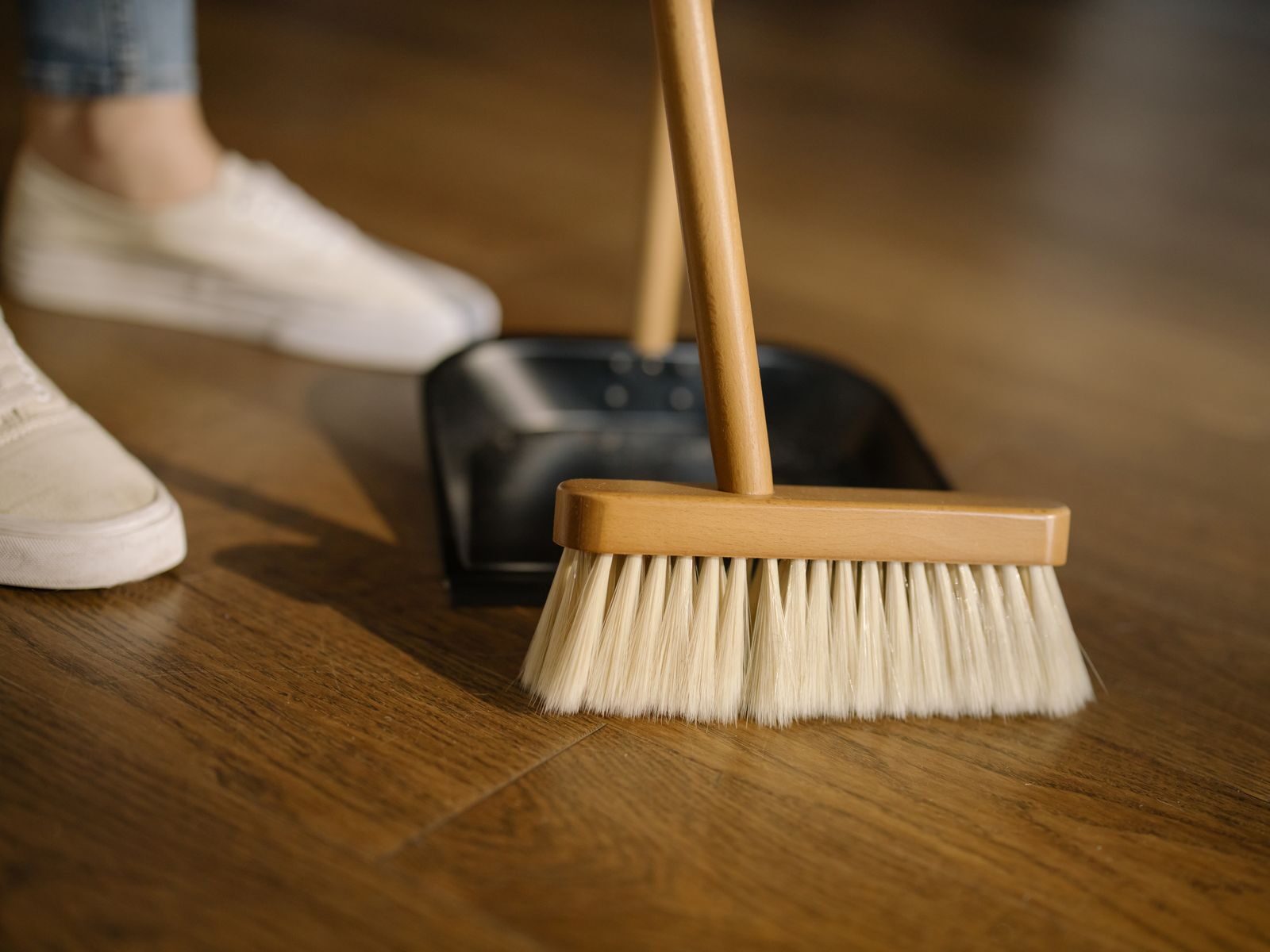
Dust Top-to-Bottom With Microfiber Cloths
Start at the highest points in each room and work your way down. Use a slightly damp microfiber cloth — dampness traps dust rather than scattering it into the air. Dry dusting often just relocates particles, so a light mist makes a big difference.
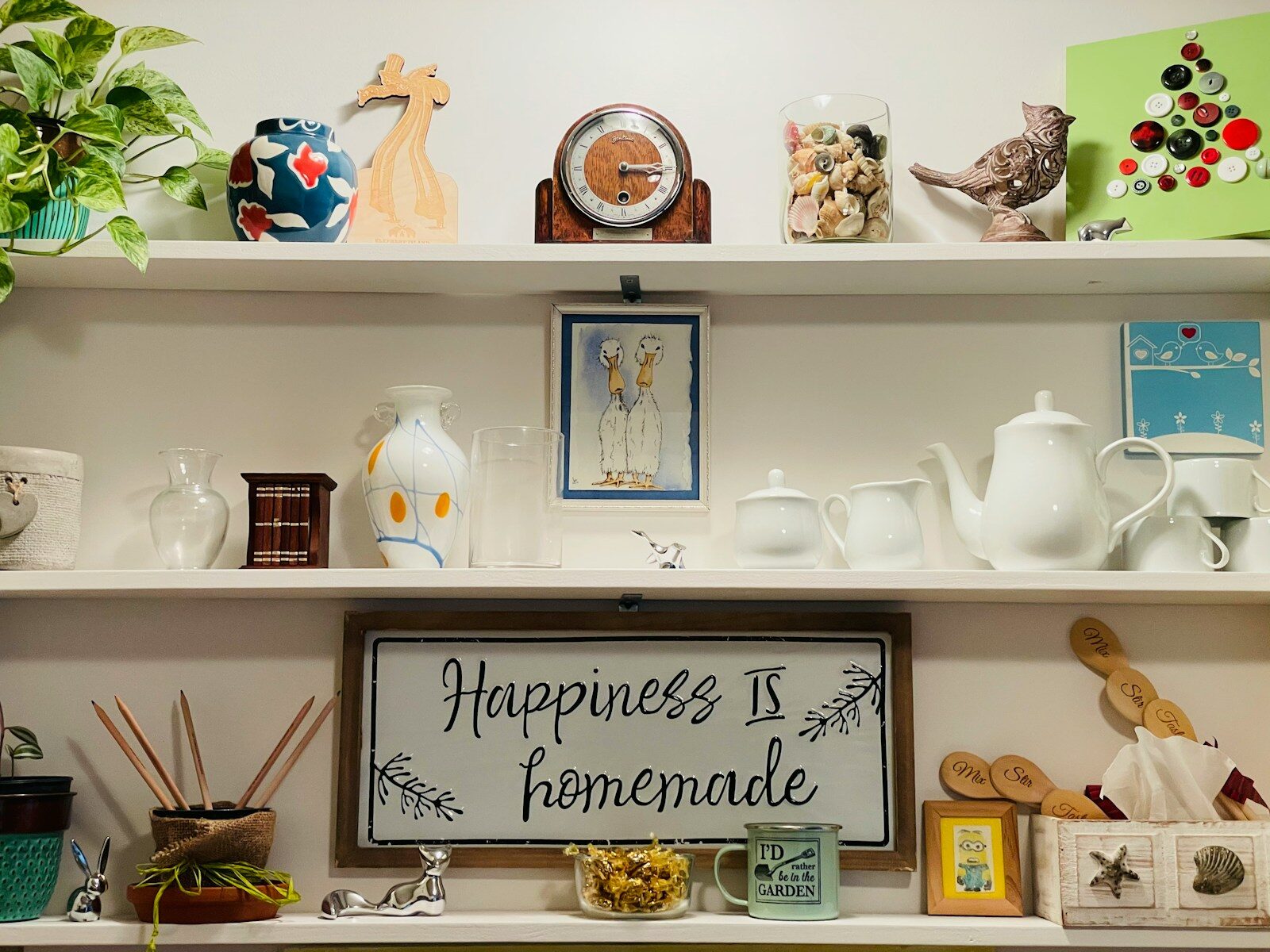
Wipe shelves, cabinet tops, picture frames, and decor, folding the cloth to a fresh side as it picks up dust.
Don’t Skip These Commonly Missed Spots
Dust loves to hide in places most people overlook. Hit these frequently forgotten areas:
- Air vents and registers — major dust collectors and distributors
- Ceiling fans — wipe each blade individually (slide an old pillowcase over the blade to catch falling dust)
- Lampshades, curtain cornices, and headboards
- Baseboards and crown molding
- Bookcases and the tops of books
- Kitchen cabinet tops and the top of the fridge
- Electronics — use a soft brush or compressed air for keyboards, TVs, and consoles
- Window treatments and blinds
Vacuum Floors & Upholstery With a HEPA Filter
Vacuum after dusting, so settled particles get picked up. A HEPA-filter vacuum is essential — standard vacuums can blow fine dust right back into the air.
- Vacuum under and behind furniture, where dust quietly builds up
- Use attachments for upholstery, cushions, and curtains
- For carpets and rugs, go slow and make multiple passes
- On hard floors, follow vacuuming with a lightly dampened mop
Wash Fabrics, Bedding & Soft Furnishings
Soft surfaces are dust magnets — and a primary home for dust mites. Regularly:
- Wash bedding, pillowcases, and duvet covers weekly in hot water
- Launder or shake out throw blankets, cushion covers, and curtains
- Wash or replace doormats that trap incoming dirt
How to Reduce Dust in the Air (Improve Indoor Air Quality)
Cleaning surfaces is only half the job. Much of your home’s dust is airborne — and tackling it improves both cleanliness and the air you breathe.
Maintain HVAC & Air Filters
Your heating and cooling system circulates air — and dust — throughout your home. Replace HVAC filters every 1–3 months, and clean air vents regularly to stop dust from recirculating. Upgrading to a higher-rated filter can capture more fine particles.
Use an Air Purifier With a HEPA Filter
A quality HEPA air purifier continuously traps airborne dust, pollen, and dander. Place one in high-traffic rooms or bedrooms for the biggest impact on air quality and allergy relief.
Balance Humidity in Your Home
Air that’s too dry lets dust float longer; air that’s too humid encourages dust mites and mold. Aim for 30–50% humidity, using a humidifier or dehumidifier as needed to keep dust grounded and mites at bay.
How to Clean Dust After Construction or a Remodel
Post-construction and post-remodel dust is far finer and heavier than everyday dust — and often includes cement, drywall, sanding, or tile particles. To clean it safely and thoroughly:
- Wear protective gear — a dust mask (N95) and goggles are a must with fine construction dust.
- Dust top to bottom with damp microfiber cloths, working room by room.
- Vacuum everything with a HEPA filter, including walls, vents, and behind furniture.
- Use surface-specific, nonabrasive cleaners — ammonia-free for glass, gentle non-acidic solutions for natural stone.
- Clean or replace all air filters and vents afterward, since fine dust clogs them quickly.
- Schedule a second cleaning about a week later to catch dust that settles after the initial cleanup.
Important: If your home was built before 1980, be cautious about lead paint and asbestos dust. These require specialized handling — if you suspect either, contact a certified professional rather than cleaning it yourself.
How to Keep Your House Clean From Dust (Prevention Tips)
The best way to fight dust is to stop it before it settles. These habits keep your home cleaner for longer:
- Stick to a regular cleaning routine — frequent light dusting beats occasional deep cleans
- Reduce clutter — fewer surfaces and items mean fewer places for dust to land
- Use doormats and a no-shoes rule to cut down on tracked-in particles
- Groom pets regularly to reduce dander and hair
- Consider hard flooring over carpet in high-dust homes
- Keep windows closed on high-pollen or windy days
- Choose washable rugs and curtains that are easy to clean
Grandma’s Simple Trick to Eliminate Dust
The classic grandma trick? A damp cloth instead of a dry one. Lightly dampening your cloth (or adding a tiny bit of fabric softener to water) helps it grab and hold dust rather than flinging it into the air, where it just resettles. A few drops of fabric softener can even leave a light anti-static finish that helps surfaces repel dust longer. Simple, cheap, and surprisingly effective.
When to Call a Professional Cleaning Service
Sometimes the dust is more than a damp cloth can handle. Consider professional help when:
- You’re dealing with heavy post-construction or renovation dust
- Dust is triggering allergies or respiratory issues
- You suspect lead paint, asbestos, or mold
- You simply want a deep, top-to-bottom clean done right the first time
A professional team brings HEPA-grade equipment and the expertise to remove dust thoroughly — restoring both your surfaces and your air quality. If you’re in Florida and want a spotless, dust-free home without the effort, contact Top Cleaning FL for a free quote and let the pros handle the hard work.
Frequently Asked Questions
What removes dust from a house?
The most effective dust removal combines damp microfiber cloths (to trap surface dust), a HEPA-filter vacuum (for floors and upholstery), and an air purifier (for airborne particles). Working top to bottom and maintaining your HVAC filters ensures dust is captured rather than redistributed.
What is grandma’s simple trick to eliminate dust?
The time-tested trick is using a damp cloth instead of a dry one — often with a few drops of fabric softener in the water. The dampness grabs and holds dust, while the softener leaves a light anti-static finish that helps surfaces resist dust buildup for longer.
How do you clean an extremely dusty house?
Start by ventilating and wearing a mask. Work room by room, top to bottom, dusting with damp microfiber cloths, then vacuuming everything (including under furniture) with a HEPA filter. Wash all fabrics and bedding, clean air vents, replace filters, and finish by running an air purifier. For very heavy buildup, a second pass a few days later catches resettled dust.
What is the 20-minute rule of cleaning?
The 20-minute rule means dedicating just 20 focused minutes a day to cleaning, rather than waiting for one exhausting marathon session. For dust control, short daily bursts — a quick wipe-down and vacuum — prevent buildup and keep your home consistently cleaner with far less effort.
Does an air purifier help with dust?
Yes. A HEPA air purifier captures fine airborne dust, pollen, and dander that settle on surfaces. While it won’t replace cleaning, it noticeably reduces how quickly dust accumulates and improves indoor air quality — especially helpful for allergy sufferers.
How do I get rid of dust mites?
Wash bedding weekly in hot water, keep humidity below 50%, vacuum upholstery and mattresses with a HEPA vacuum, and reduce soft furnishings where mites thrive. Allergen-proof mattress and pillow covers add extra protection.