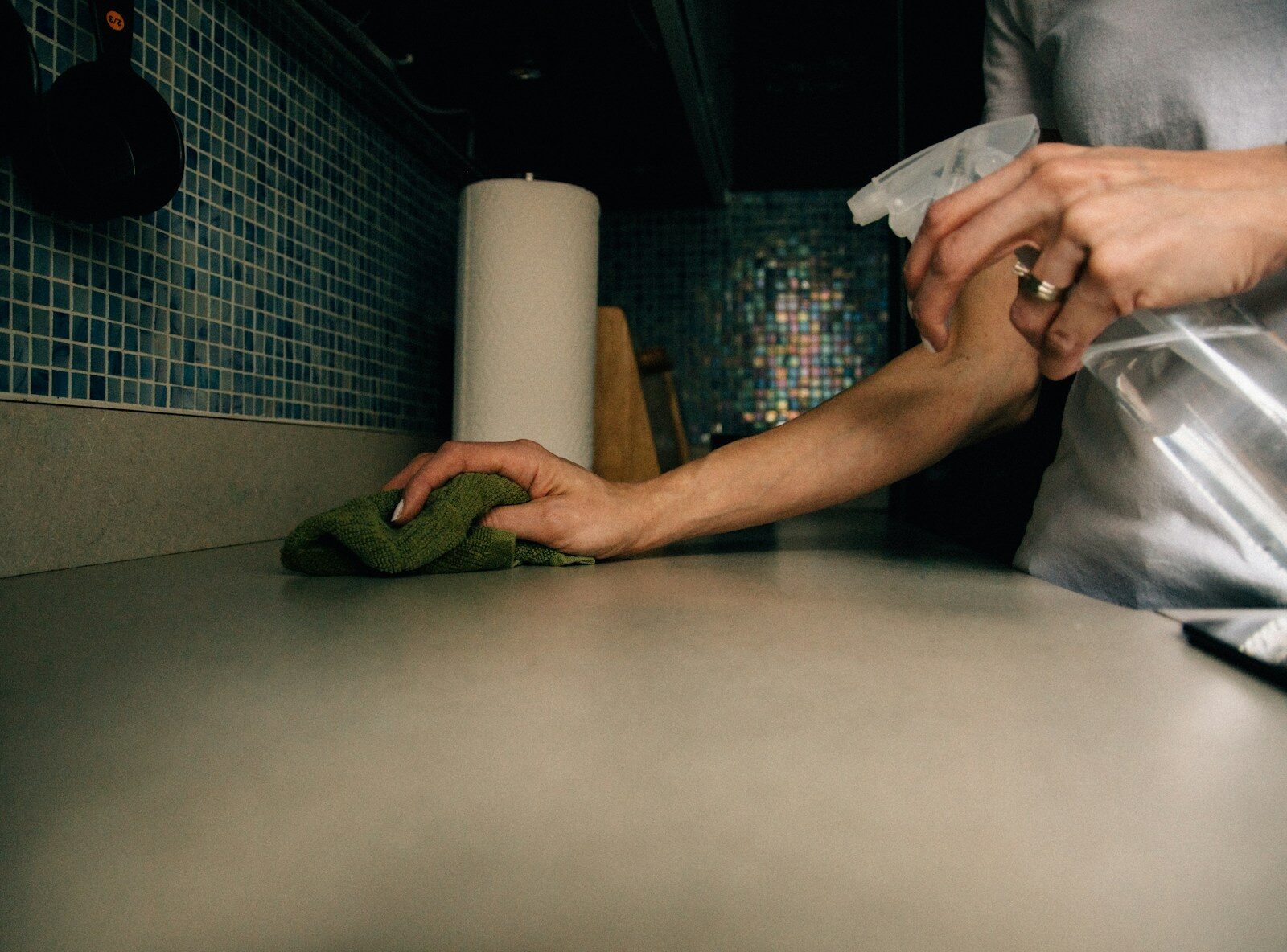

Your refrigerator works around the clock to keep your food fresh — but when was the last time you gave it a proper clean? Spills, crumbs, expired leftovers, and lingering odors build up faster than you’d think, and a neglected fridge can harbor mold and bacteria that affect your food and your health.
The good news? Cleaning a refrigerator isn’t difficult with the right process. In this complete guide, you’ll learn exactly how to clean a refrigerator from top to bottom — including the interior, exterior, gaskets, condenser coils, odors, mold, and even the spots most people forget.
Key Takeaways
- Clean your fridge every 3 months, with quick wipe-downs of spills as they happen.
- Use safe cleaners like vinegar, baking soda, and hot soapy water — avoid bleach inside the fridge.
- Don’t skip hidden spots: condenser coils, door gaskets, the drip pan, and the area behind and under the fridge.
- Eliminate odors with baking soda and a thorough interior cleaning.
- Tackle mold safely with a vinegar solution and proper drying to prevent regrowth.
Why Cleaning Your Refrigerator Matters
Regularly cleaning your refrigerator does more than keep it looking nice. It:
- Reduces mold and bacteria growth that can contaminate your food
- Prevents and removes odors that transfer to your groceries
- Improves energy efficiency — clean condenser coils help the fridge run cooler and cheaper
- Extends the appliance’s lifespan by reducing strain on the system
- Helps you spot expired food before it becomes a problem
A clean fridge is a healthier, more efficient fridge — and it keeps your food fresher for longer.
How Often Should You Clean Your Refrigerator?
As a general rule, you should deep clean your refrigerator every three months. In between deep cleans, keep up with these quick habits:
- Wipe spills immediately before they dry and spread
- Do a weekly quick check to toss expired food and leftovers
- Clean the condenser coils every 6–12 months
- Replace the water filter about every 6 months
Cleaning every few months reduces mold, controls odors, and gives you a regular chance to clear out old food and maximize storage space.
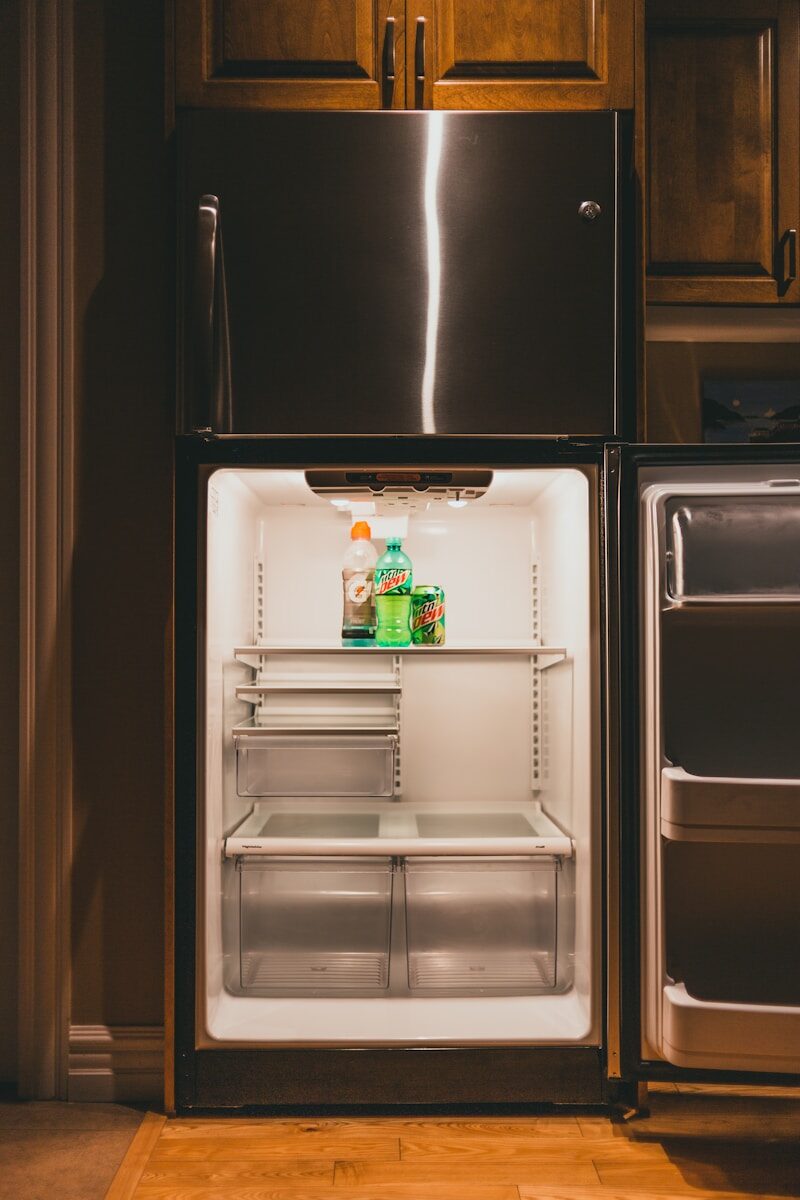
What You’ll Need: Supplies & Tools
Gather these before you start so you’re not running back and forth:
Supplies
- White vinegar
- Baking soda
- Mild dish soap
- Warm water
- Stainless steel cleaner (if applicable)
Tools
- Microfiber cloths
- A soft sponge
- A toothbrush (for tight corners and gaskets)
- A spray bottle
- A vacuum with a brush attachment (for coils)
- A cooler or insulated bags (to hold food while you clean)
What to Use (and Avoid) to Clean a Refrigerator
Choosing the right cleaner keeps your fridge safe for food storage. Here are the best options:
Vinegar
A 50/50 mix of white vinegar and water is a powerful, food-safe cleaner that cuts grease, removes light stains, and helps inhibit mold. It’s a great all-purpose choice for interior surfaces.
Baking Soda
Mix 1–2 tablespoons of baking soda into a quart of warm water for a gentle, non-abrasive scrub that lifts grime and neutralizes odors. A baking soda paste also works well on stubborn stains.
Hot Soapy Water
Plain warm water with a few drops of mild dish soap (like Dawn) is perfect for washing removable shelves, drawers, and general interior surfaces.
What to Avoid
- Bleach — too harsh for inside the fridge and can leave unsafe residue near food
- Abrasive scrubbers — they scratch interior surfaces and stainless steel
- Ammonia-based cleaners on certain finishes
- Strongly scented products — the scent can transfer to your food
How to Clean a Refrigerator: Step-by-Step
Follow these steps in order for the most thorough, efficient clean.
1. Turn Off the Refrigerator Safely
Before you begin, unplug the refrigerator or switch off its circuit breaker. This saves energy while the doors are open and lets you clean safely. If you’d rather not turn it off, keep the doors closed as much as possible and work quickly.
2. Empty and Declutter the Fridge
Remove all food items and place perishables in a cooler with ice. As you empty it:
- Check expiration dates and toss anything spoiled or expired
- Compost old produce and recycle empty containers
- Wipe down jars and bottles before they go back in
- Take the trash out right away to avoid lingering smells
3. Wash the Removable Shelves and Drawers
Take out all shelves, drawers, and bins. Let glass shelves come to room temperature first (cold glass can crack in hot water). Wash them with warm, soapy water, rinse, and dry completely before reassembling.
4. Deep Clean the Interior
Wipe down all interior surfaces with your vinegar-water solution or baking soda mixture. For tough, stuck-on spots, apply a baking soda paste and let it sit a few minutes before scrubbing with a sponge or toothbrush. Work from top to bottom, and don’t forget the corners and crevices.
5. Clean the Door Gasket
The rubber gasket (door seal) traps crumbs, spills, and mold in its folds. Clean it with a toothbrush dipped in warm, soapy water, getting into every groove. Rinse and dry thoroughly — a clean gasket seals better and keeps your fridge running efficiently. A light coat of petroleum jelly or paraffin wax can help maintain its flexibility.
6. Polish the Exterior (Stainless Steel & More)
Match your cleaning method to your fridge’s finish:
| Surface Material | Cleaning Method |
|---|---|
| Painted/Colored Fridge | Mild soap with a microfiber cloth; avoid paper towels to prevent scratches |
| Traditional Stainless Steel | Use an Affresh stainless steel cleaner on a microfiber cloth, wiping in the direction of the grain |
| Fingerprint-Resistant Stainless Steel | Wash with mild soap; avoid abrasive cleaners; dry thoroughly |
For streak-free stainless steel: always wipe with the grain, then buff dry with a clean microfiber cloth. A tiny bit of mineral or baby oil on a cloth can add shine and help repel fingerprints.
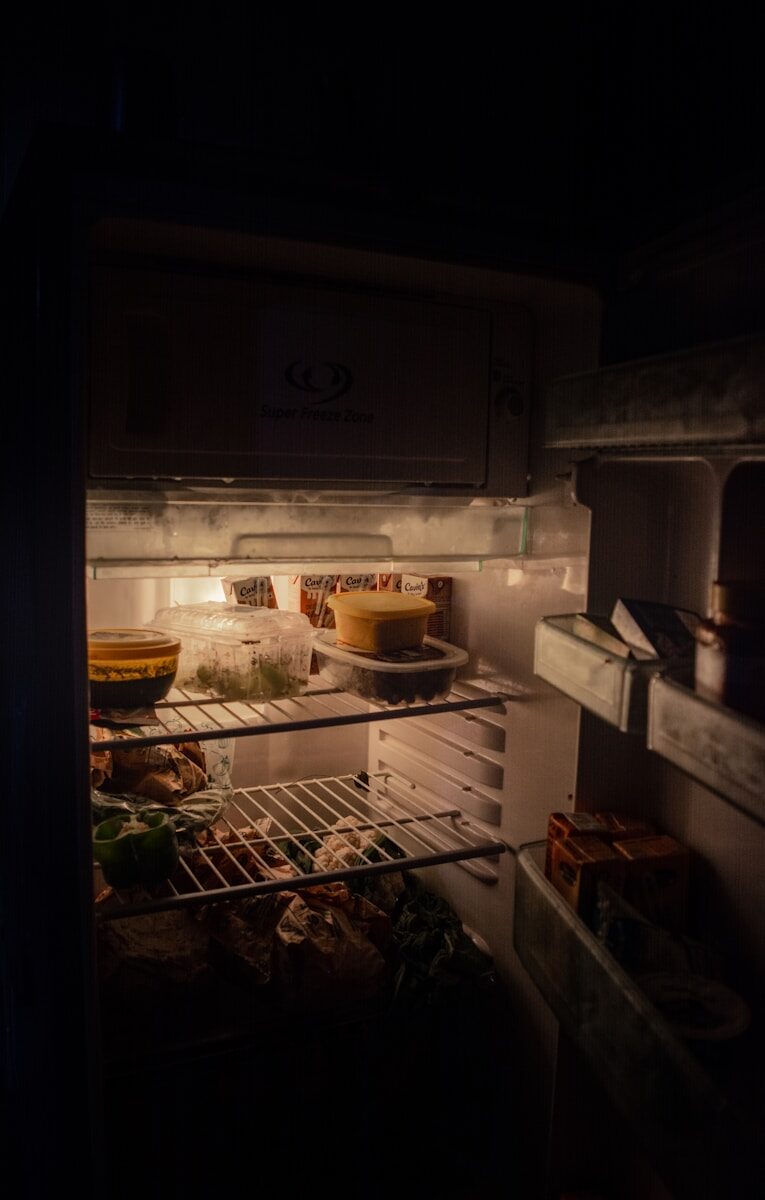
How to Remove Odors From Your Refrigerator
A smelly fridge usually means trapped food residue or spoiled items. To eliminate odors:
- Remove the source — toss spoiled food and clean up all spills
- Deep clean the interior with a vinegar-water solution
- Place an open box of baking soda inside to absorb future odors (replace every 1–3 months)
- For stubborn smells, set a bowl of fresh coffee grounds or activated charcoal inside for a day or two
- A few drops of vanilla or lemon on a cotton ball can add a fresh scent naturally
Tip: Don’t mask odors without removing the source first — the smell will keep coming back.
How to Clean Mold From a Refrigerator
Mold thrives in cool, damp environments — making fridges a common target, especially in gaskets, corners, and drip pans. To remove it safely:
- Empty the fridge and discard any moldy or contaminated food
- Mix a solution of equal parts white vinegar and water (effective against mold and food-safe)
- Scrub all affected areas, using a toothbrush for gaskets and tight corners
- For black mold, you may need to repeat the process and let the vinegar sit longer
- Dry every surface completely — leftover moisture invites mold to return
- Keep the fridge dry and well-ventilated going forward to prevent regrowth
⚠️ If mold is extensive or keeps returning, it may signal a moisture or sealing issue worth having inspected.
How to Clean Refrigerator Condenser Coils
Dirty condenser coils force your fridge to work harder, raising energy bills and shortening its lifespan. Clean them every 6–12 months:
- Unplug the refrigerator.
- Locate the coils — usually behind a kickplate at the bottom front or on the back of the unit.
- Use a coil brush or vacuum brush attachment to remove dust and debris.
- Vacuum up any loose dirt around and under the unit.
- Replace the kickplate, plug the fridge back in, and you’re done.
This simple step keeps your fridge running efficiently and is one of the most overlooked parts of refrigerator maintenance — whether you have a Whirlpool, Samsung, Frigidaire, or any other brand.
How to Clean Behind and Underneath the Fridge
The space behind and under your fridge collects dust, crumbs, and even mold. Here’s how to clean it without straining yourself:
- Unplug the fridge and carefully pull it forward — many fridges have rollers; tilt slightly and walk it out gently.
- Vacuum the floor and the back of the unit, including the coils if they’re located there.
- Mop or wipe the floor beneath and behind the fridge.
- Wipe down the back panel and drip pan (a shallow tray near the bottom that catches condensation).
- Clean the drip pan with soapy water to prevent mold and odors, then slide the fridge back into place.
Tip: Have a helper guide the fridge to avoid scratching the floor or hurting your back.
How to Clean the Water Line, Filter & Ice Maker
If your fridge has a water dispenser or ice maker, these systems need attention too:
Water Filter
- Replace it every 6 months (or per the manufacturer’s guidance) for clean, fresh-tasting water.
Water Line & Dispenser
- Run a vinegar-water solution through the dispenser to flush buildup, then flush with clean water until the vinegar taste is gone.
- Wipe the dispenser nozzle and tray with a vinegar solution to remove mineral deposits and mold.
Ice Maker
- Empty the ice bin and wash it with warm, soapy water.
- Wipe the interior with a vinegar-water solution, dry it, and discard the first batch or two of new ice.
Cleaning these systems keeps your water and ice fresh, safe, and free of mineral buildup.
How to Keep Your Refrigerator Clean (Prevention Tips)
A little maintenance prevents big cleanups later:
- Wipe spills immediately before they harden
- Line shelves and drawers with washable mats for easy cleaning
- Store food in sealed containers to contain leaks and odors
- Keep an open box of baking soda inside year-round
- Do a weekly fridge audit to toss old food
- Avoid overpacking — good airflow keeps everything fresher
When to Call a Professional
Sometimes a fridge needs more than a routine wipe-down. Consider professional help when:
- You’re dealing with extensive mold or a food-recall contamination
- You need a deep clean for a move-out or move-in
- The buildup is overwhelming or unsanitary
- You simply want it done thoroughly and effortlessly
If you’re in Florida and want a spotless kitchen without the hassle, contact Top Cleaning FL for a free quote — our team handles deep kitchen and appliance cleaning so you can enjoy a fresh, sanitized space.
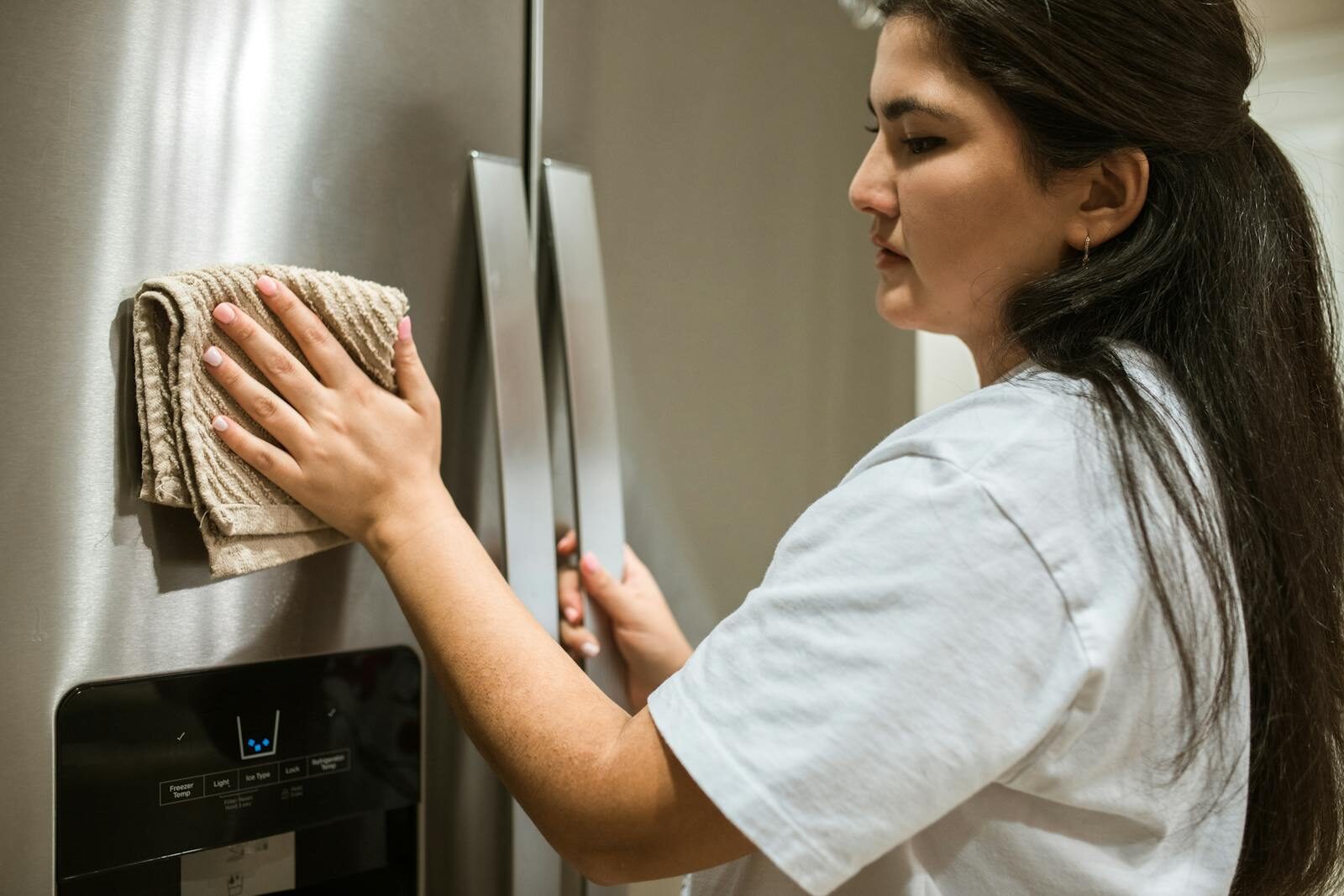
Frequently Asked Questions
What’s the best thing to clean the inside of a refrigerator with?
The best options are a 50/50 vinegar-and-water solution, a baking soda mixture (1–2 tablespoons per quart of warm water), or warm soapy water with mild dish soap. These are effective, food-safe, and won’t leave harmful residue. Avoid bleach and harsh chemicals inside the fridge.
Can I use Dawn dish soap to clean my fridge?
Yes. Dawn (or any mild dish soap) mixed with warm water is perfectly safe and effective for cleaning fridge shelves, drawers, and interior surfaces. Just rinse and dry thoroughly afterward so no soapy residue remains near your food.
Can I use Clorox wipes to clean the inside of my fridge?
It’s best to avoid disinfecting wipes on interior surfaces that contact food, as they can leave chemical residue. Stick to vinegar, baking soda, or soapy water inside. Clorox wipes are fine for the exterior handles and surfaces that don’t touch food.
What’s the first thing you should do when cleaning a fridge?
The first step is to turn off or unplug the refrigerator and then empty out all the food, tossing anything expired. This gives you a clear, safe workspace and lets you clean every surface thoroughly.
Can you clean a refrigerator without turning it off?
Yes, you can clean it while it’s running — just work quickly and keep the doors closed as much as possible to avoid wasting energy and warming your food. However, unplugging it is recommended for deep cleaning, especially when cleaning condenser coils or behind the unit.