Clean and Cluttered Are Two Completely Different Things
People often treat “clean” and “tidy” as the same thing, but they solve different problems:
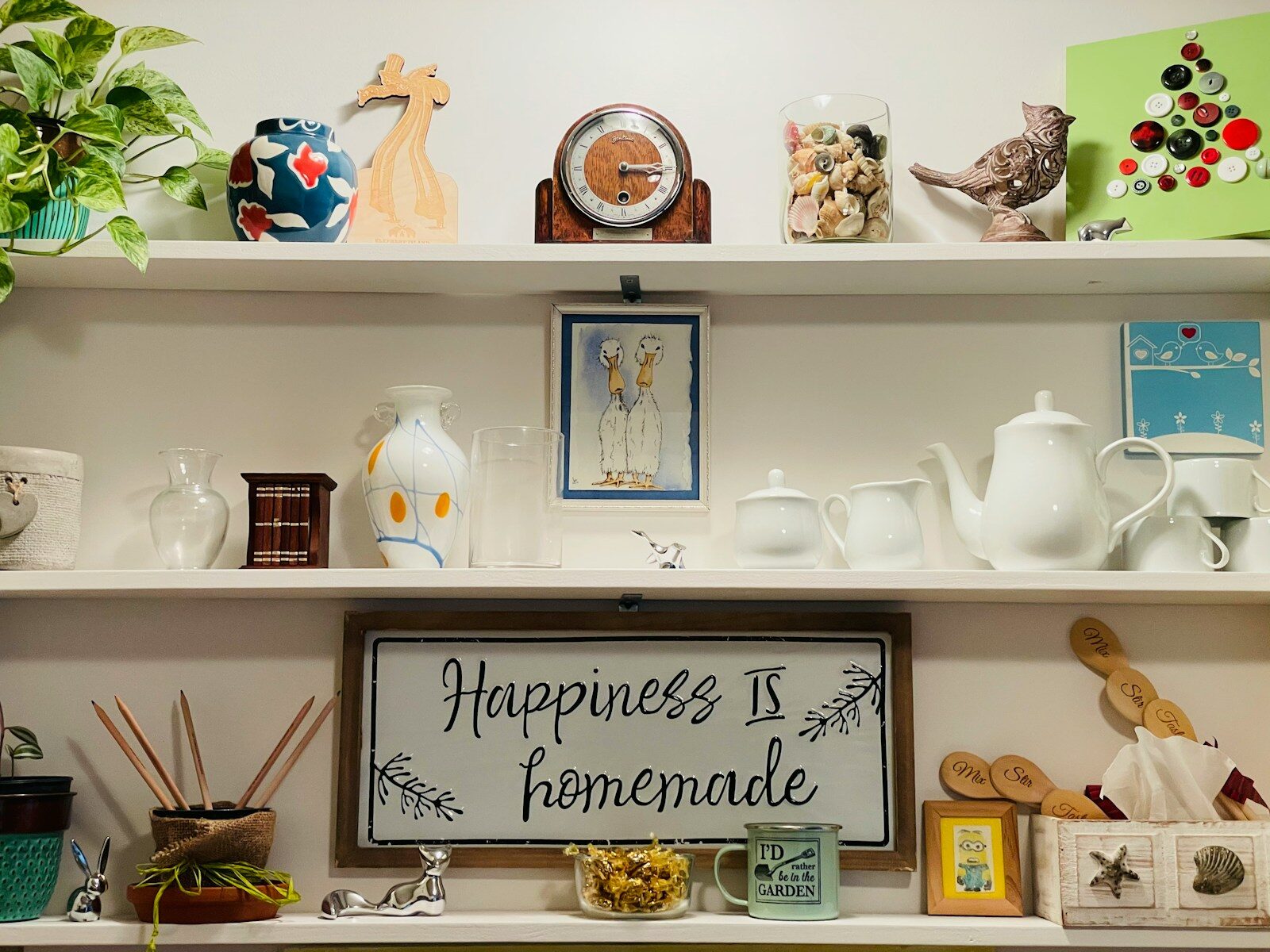
A countertop can be sanitized and still hold mail, chargers, appliances and decorations. A closet can be dust-free and still packed to the edges. Knowing the difference between organizing vs cleaning is the first step toward fixing that unsettled feeling.
Why Your Brain Reacts to Clutter Even When You’re Not Looking Directly at It
Researchers at the Princeton Neuroscience Institute, in a peer-reviewed study published in The Journal of Neuroscience (Sabine Kastner et al.), found that visual clutter competes for your brain’s processing capacity even when you aren’t focusing on it.
In practice, this means:
- Every object in your field of view asks for a small share of attention.
- Your brain keeps processing those items in the background.
- The more objects there are, the less mental bandwidth you have for what you’re actually trying to do.
This cognitive load from clutter explains why it can be hard to focus, unwind or even pick out one item in a crowded room. The space may be clean, but your brain is still working overtime to process it.
The Hidden Stress Cost of a Cluttered (But Spotless) Home
Clutter affects more than focus. It can change your body’s stress response.
In the peer-reviewed study Life at Home in the Twenty-First Century, the UCLA Center on Everyday Lives of Families found that a high density of household objects was linked to elevated cortisol levels, particularly in women, and this held true regardless of how clean the home was.
The link between cortisol and clutter can show up as:
- Trouble relaxing at the end of the day
- A constant, low-level sense that something is unfinished
- Irritability or feeling overwhelmed at home
- Less satisfaction with your living space
Your home should help you recover from stress. When it’s full of objects, it can quietly add to the stress instead.
What Actually Needs to Change: Volume, Not Just Dirt
If cleaning hasn’t brought you peace, the problem is usually the amount of stuff, not how dirty it is. To cut down visual clutter:
- Clear horizontal surfaces. Counters, tables and dressers should hold only what you use every day.
- Give everything a home. Items without a set place end up piling in the open.
- Use closed storage. Cabinets, lidded bins and drawers hide visual noise.
- Edit before you organize. Donate, recycle or toss things you don’t use. Organizing clutter still leaves you with clutter.
- Group similar items. A few grouped sets look calmer than many scattered objects.
- Follow a one-in, one-out rule. When something new comes in, something old goes out.
Start with the spaces you see most, such as the entryway, kitchen and living room, where calm will make the biggest difference to your day.
Cleaning and Organizing Work Best as a Pair, Not a Substitute for Each Other
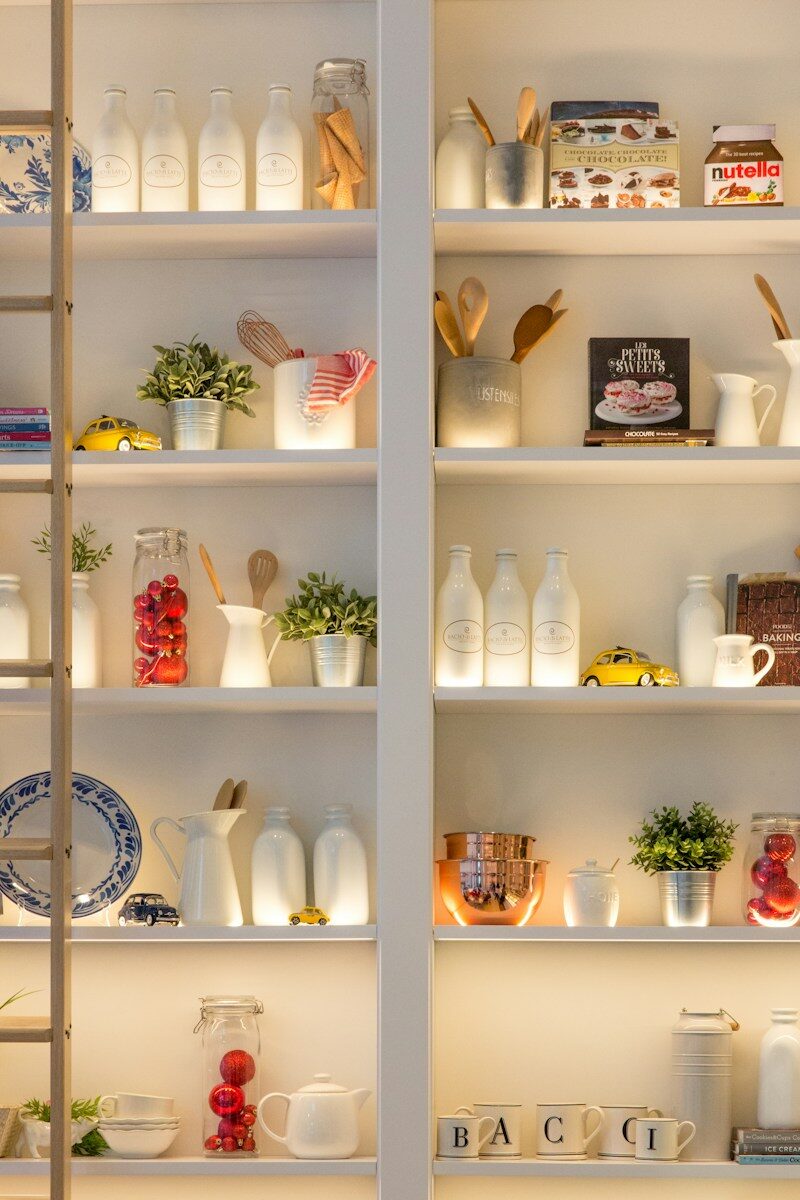
Cleaning without organizing gives you a sanitary space that still feels chaotic. Organizing without cleaning gives you tidy shelves covered in dust and allergens. You need both for a home that supports your well-being:
- Organizing lowers the mental load and helps keep cortisol down.
- Cleaning removes dust, allergens and grime that affect your physical health.
- Together, they make cleaning faster, since clear surfaces are easier to maintain, and they keep order lasting longer.
Once you’ve reduced the volume, a professional cleaning service can take care of the rest. Top Cleaning FL helps Orlando homeowners keep their homes truly clean, so you can put your energy into building a space that feels peaceful.
Ready for a home that feels as good as it looks? Contact Top Cleaning FL today to schedule your cleaning and enjoy a calmer, healthier home.