Key Takeaway: Most homes benefit from a deep clean every 3 to 6 months. Pets, kids, allergies and Florida humidity can push that closer to every 3 months. There is no fixed rule, so let your household set the pace.
If you have ever wondered how often to deep clean your house, you are not alone. Regular cleaning keeps surfaces tidy, yet dust, residue and grime still collect in places a weekly routine never reaches.
This guide walks you through a sensible schedule, the signs that your home needs attention sooner, and what deep cleaning actually covers. You can then decide what fits your household.
The Short Answer on Deep Clean Frequency

For most homes, a deep clean every 3 to 6 months is a reasonable baseline. That works out to two to four deep cleans a year.
Your ideal schedule depends on a few things:
- Pets: Hair, dander and tracked-in dirt build up faster.
- Kids: More spills, more crumbs and more hands on every surface.
- Allergies: Dust and dander in hidden spots can make symptoms worse.
- Home size and foot traffic: More people and more rooms mean more buildup.
A quiet home with one or two adults may stretch toward six months. A busy household with a dog and young children may do better closer to three. Treat the range as a starting point, not a rule.
Many people also tie deep cleaning to the seasons. Seasonal deep cleaning gives you an easy calendar to follow:
- Spring: A reset after months of closed windows and indoor time.
- After summer: Orlando’s warm, humid and rainy months can encourage mildew in bathrooms and damp corners.
- Before the holidays: A fresh home before guests arrive.
Signs Your Home Needs a Deep Clean Sooner
Sometimes your home tells you before the calendar does. Watch for these signals:
- Lingering odors: A smell that returns after you take out the trash or wipe the counters often points to buildup you cannot see.
- Visible grime in corners: Dark lines along baseboards, sticky cabinet edges and dusty ledges are common clues.
- Allergy flare-ups: More sneezing, itchy eyes or congestion at home than elsewhere can signal hidden dust.
- A long gap since the last deep clean: If you cannot remember the last one, it has probably been too long.
- Moving in or out: A deep clean gives a new place a fresh start, or leaves the old one in good shape.
- After illness: Cleaning high-touch spots and fabrics helps the home feel fresh again.
If you notice two or three of these together, it is a good time to schedule a deep clean instead of waiting for the next season.
What Counts as ‘Deep’ Cleaning
Regular cleaning keeps up with the surface. Deep cleaning targets the buildup in places you rarely reach.
Think of the difference as a simple split:
- Regular cleaning: Wiping counters, vacuuming, mopping, cleaning bathrooms and taking out the trash.
- Deep cleaning: Baseboards, inside appliances, grout, window tracks and behind furniture.
This split also shapes your deep clean vs regular clean schedule. Keep up the regular routine weekly or every other week, and add a deep clean every few months to catch what the routine misses. If you want help with the everyday part, our regular cleaning page explains how that works.
Here is how the work breaks down room by room.
Kitchen and Bathrooms

These two rooms collect the most grease, moisture and residue, so they usually take the most effort.
- Inside the oven: Baked-on spills and grease build up over time.
- Inside the fridge: Shelves, drawers and door seals can hide sticky residue.
- Grout lines: Grout traps dirt and moisture, especially in showers and around tubs.
- Cabinet fronts: Cooking splatter and fingerprints add up near the stove and handles.
A slow, methodical pass through these areas often makes the biggest visible difference.
Living Areas and Bedrooms
These rooms look clean on the surface while dust settles out of sight.
- Under and behind furniture: Dust, pet hair and lost items gather where the vacuum cannot reach.
- Closets: Shelves and floors get overlooked for months.
- Light fixtures and ceiling fans: Dust settles on blades and covers.
- Vents: Dust on vent covers can recirculate through the room.
If allergies are a concern, these are the areas worth prioritizing.
Exterior and Grease Buildup
A deep clean does not have to stop at the walls inside. A few outside-facing spots and grease-prone areas deserve a look too.
Grease buildup tends to hide above eye level. Check the range hood, the top of the cabinets and the backsplash. Grease attracts dust, and the mix turns sticky and hard to remove if you leave it for long.
Exterior areas are worth a seasonal glance as well:
- Entry doors and door frames: They collect fingerprints, dirt and cobwebs.
- Sliding door tracks: Debris packs into the track and makes the door harder to use.
- Patio or lanai surfaces: Dust, pollen and mildew can settle in humid weather.
- Window exteriors: Dirt film dulls the view and the natural light.
In a humid climate like Orlando’s, moisture-prone spots can darken faster. Catching them early keeps the work lighter.
Deep Clean or Call a Professional?
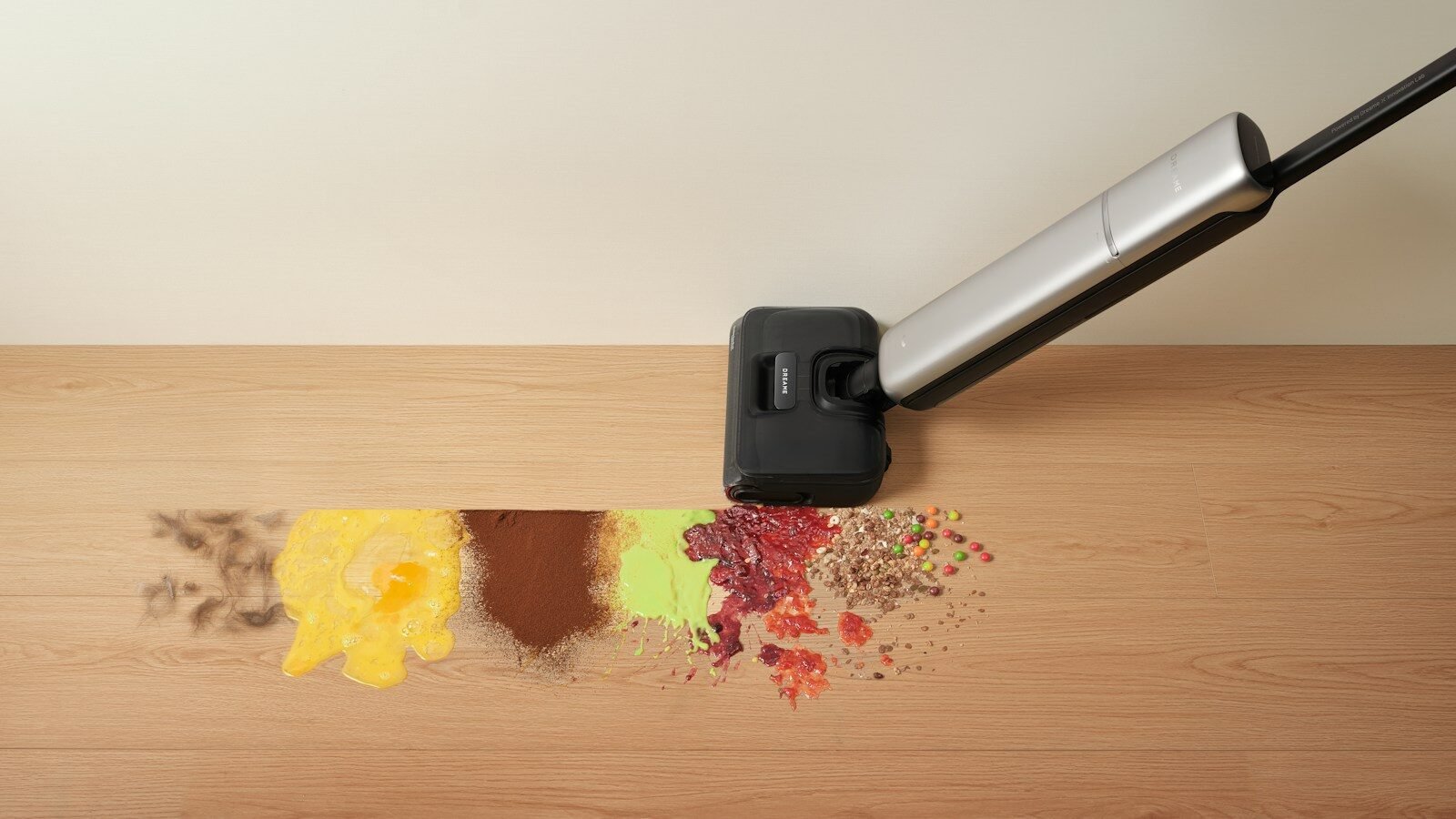
A deep clean is a doable weekend project for many homeowners. It just takes more time and more tools than your usual routine.
Doing it yourself may work well if:
- You have a free weekend and the energy to use it.
- You already own the supplies and equipment you need.
- Your home is small or you have been keeping up with regular cleaning.
Calling a professional may make more sense if:
- Time is tight: Deep cleaning can take many hours, and those hours add up.
- Equipment is a limit: Some jobs go faster with tools you may not own.
- The scope is large: A bigger home, a long gap since the last clean or a move-out can make the task feel overwhelming.
Neither choice is wrong. It comes down to your time, your home and how you want to spend your weekends. If you would like to see what is involved, take a look at our deep cleaning service page. For more tips, you can also read related post title.
Frequently Asked Questions
How often should I deep clean my house?
Every 3 to 6 months is common. Homes with pets, kids or allergies often do better on the shorter end of that range. If you notice odors, visible grime or allergy symptoms, you may want to schedule one sooner.
What is the difference between deep cleaning and regular cleaning?
Regular cleaning maintains the home by handling surfaces, floors and bathrooms. Deep cleaning targets buildup in less-reached areas, such as baseboards, grout, window tracks and inside appliances.
Is deep cleaning worth the cost?
It depends on your time, home size and how long it has been since the last one. A professional can offer a quote, which helps you compare the cost against the hours you would spend doing it yourself.
Ready to take the work off your plate? Top Cleaning FL can help you decide what your home needs.
Request a quote to get started with a deep clean for your Orlando home.