Key Takeaway: To clean a gas grill, let it cool, shut off the gas, scrub the grates with warm soapy water, scrape off stuck residue, clear the grease from the inside, then rinse and dry everything. Do a quick grate clean after each use and a fuller clean every few weeks in grilling season.
A cookout is more fun when the grill is ready. Nobody wants burnt bits from last month on their burger.
The good news is that you do not need fancy gear or a whole weekend. A few basic supplies and about an hour will do it. Here is how to clean a gas grill, step by step.
Why Grill Maintenance Matters in Florida
A clean grill cooks better, lasts longer and is safer to use. That is true anywhere, but Florida adds a few extra challenges.
Here is what a dirty grill can cost you:
- Flavor: Old grease and charred bits can leave a bitter taste on fresh food.
- Safety: Built-up grease can feed flare-ups, and flare-ups can get out of hand fast.
- Lifespan: Grime holds moisture against metal, which speeds up rust.
Florida’s humidity keeps surfaces damp, and damp metal rusts sooner. Pollen and dust also stick to greasy spots, so buildup grows faster than you might expect. If you live closer to the coast, salt in the air can add to the problem.
That is why simple grill maintenance tips are worth following all year, not just before a big party.
What You Need Before You Start
Grab these supplies before you light anything or remove anything. Most of them are already in your kitchen or garage.
- A grill brush: For scrubbing the grates.
- A scraper: For stubborn residue on the grates and inside the grill.
- Warm water and mild dish soap: Your main cleaning mix.
- Baking soda and water: Mixed into a paste, it helps with greasy spots.
- Gloves: Grease and grime are messy.
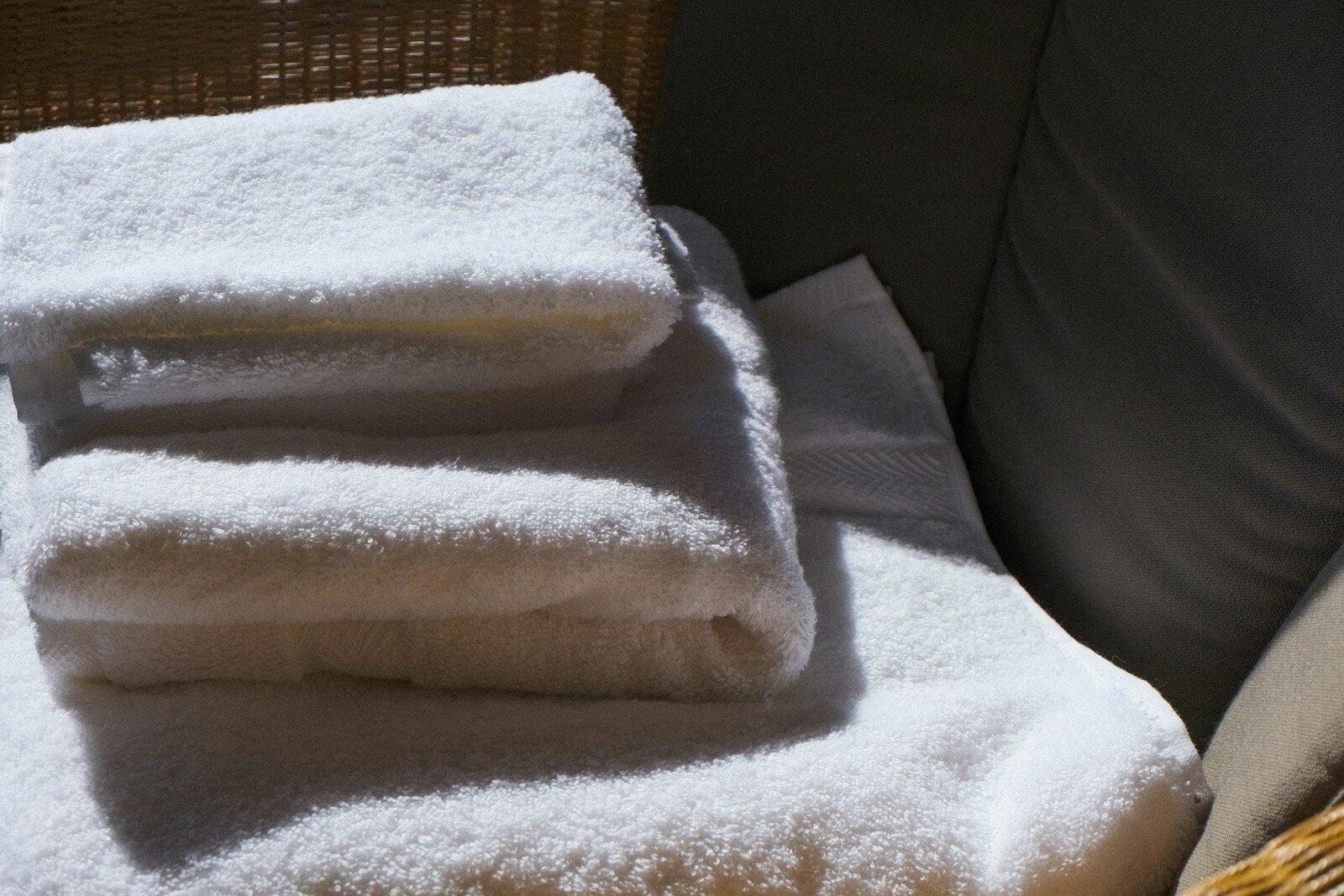
- Old towels or paper towels: For wiping and drying.
- A bucket or large sink: For soaking the grates.
A quick tip: set up your supplies on a patio table or a spread-out tarp. It keeps the mess in one place and makes cleanup easier.
Step-by-Step: Cleaning the Grates
Follow these steps in order. Take your time, and do not rush the safety steps at the start.
- Let the grill cool. A warm grill is fine for a light brush, but never do a deep clean on a hot one. Hot metal can burn you, and it is harder to work with.
- Turn off the gas. Switch off all the control knobs and shut off the gas supply. This keeps you safe while you work around the burners.
- Remove the grates. Lift them out and set them somewhere you can scrub them, like a driveway, a utility sink or a bucket.
- Soak or scrub with soapy water. Mix warm water with a little mild dish soap. Let the grates soak for a while if they are very dirty, then scrub with your grill brush.
- Scrape stuck residue. Use your scraper on any baked-on spots that the brush leaves behind. For greasy patches, spread on a baking soda paste, wait a few minutes and scrub again.
- Rinse and dry before reuse. Rinse off all the soap, then dry the grates with a towel. Wet grates can rust, so do not skip the drying.
Once the grates are clean, turn your attention to the rest of the grill.
Clear the grease from the inside. Remove grease from the grill by scraping the bottom of the cooking box and the inside of the lid. Wipe it down with soapy water and a towel. Empty and clean the grease tray too, since that is where much of the mess collects.
Check before you put it back together. Make sure everything is dry, set the grates back in place and give the burners a quick look. If everything seems fine, you are ready to cook.
A small safety note: if you ever smell gas or think you have a leak, shut off the gas and do not light the grill. Get help before you use it again.
Preventing Rust and Buildup
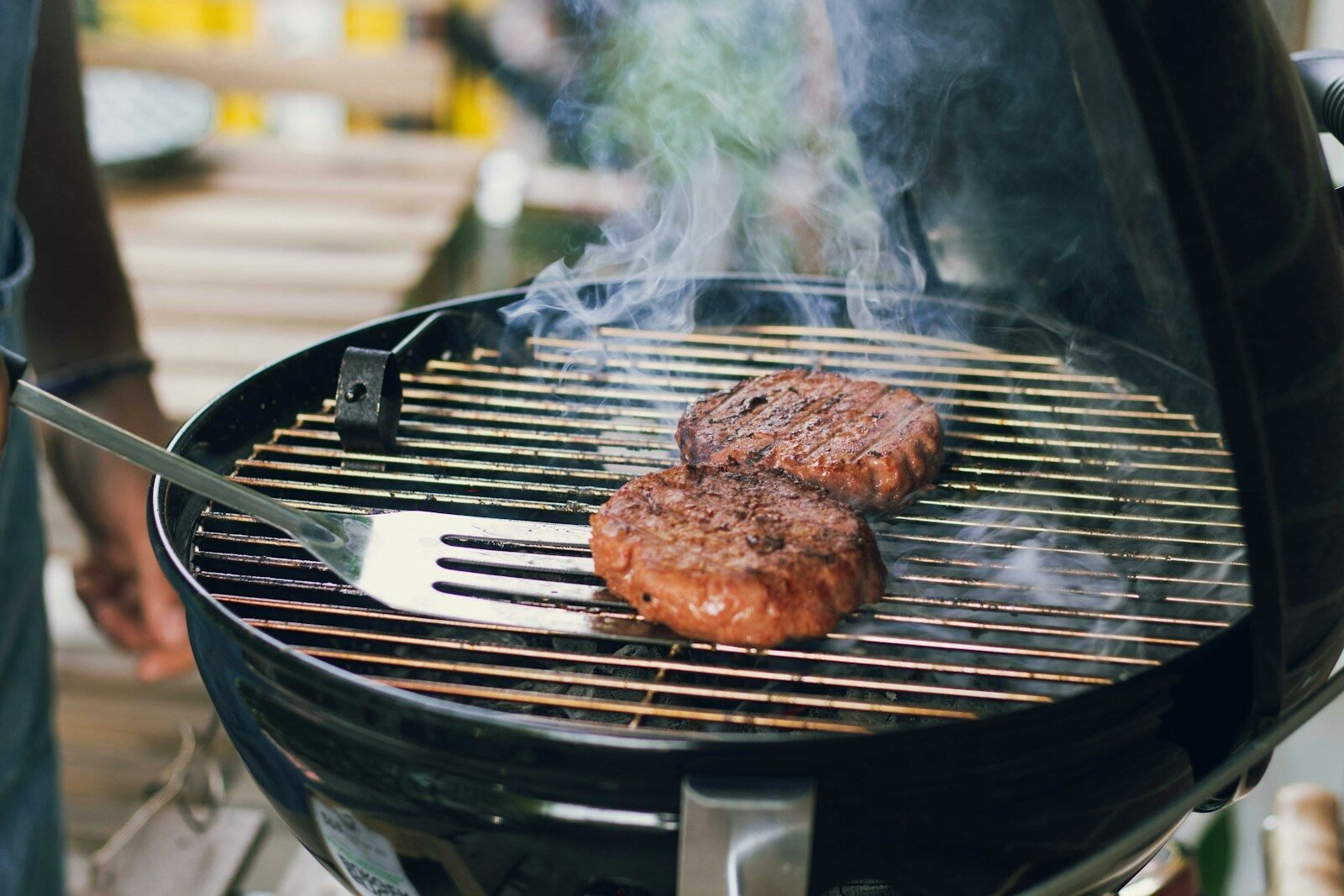
Once the grill is clean, a few habits keep it that way. These steps take very little time and save you a lot of scrubbing later.
- Cover the grill. A fitted cover blocks rain, pollen and dust.
- Clean after each use. A quick brush of the grates while the grill is still a little warm stops buildup before it hardens.
- Check the burners for clogs. Look for blocked openings or uneven flames. Clogs can lead to uneven cooking.
- Store it in a dry area. If you can, keep the grill under a covered patio or lanai, away from rain and sprinklers.
It also helps to wipe down the outside of the grill now and then. Fingerprints, grease splatter and humidity can leave it looking worn long before it actually is.
When to Call a Professional
Most grills are fine with a regular home clean. Some situations call for more help.
Consider a professional if you notice any of these:
- Heavy rust: Flaking or deep rust on grates, burners or the firebox may need expert eyes.
- Grease fire risk: Thick, caked-on grease and frequent flare-ups are a warning sign.
- A long gap since the last cleaning: A grill that has sat dirty for a long time can take more tools and time than a home clean allows.
A professional can tell you whether a part needs to be cleaned, repaired or replaced. If you are not sure whether your grill is safe to use, it is better to ask than to guess.
Frequently Asked Questions
How often should I clean my grill?
Clean the grates after each use. During grilling season, plan a fuller clean every few weeks. If you grill often or cook greasy foods, you may want to do it a bit more often.
Can I use regular dish soap on my grill?
Yes. Mild dish soap works for most buildup. Avoid harsh chemicals on the cooking grates, and rinse everything well so no soap or residue is left behind.
Do I need special tools to clean a grill?
Usually not. A grill brush and a few basic household items cover most jobs. Heavy buildup may need extra scraping, so a scraper is a good thing to have on hand.
Is it safe to clean a grill that’s still warm?
A light brush on a slightly warm grill is fine, but let it cool before a deeper clean. It is safer for you, and the grime comes off more easily once you can handle the parts.
Want your grill ready without the scrubbing? Top Cleaning FL is here to help with the jobs around your home.
Contact us for a quote and get your next cookout off to a clean start. You can also read related post title for more cleaning tips.